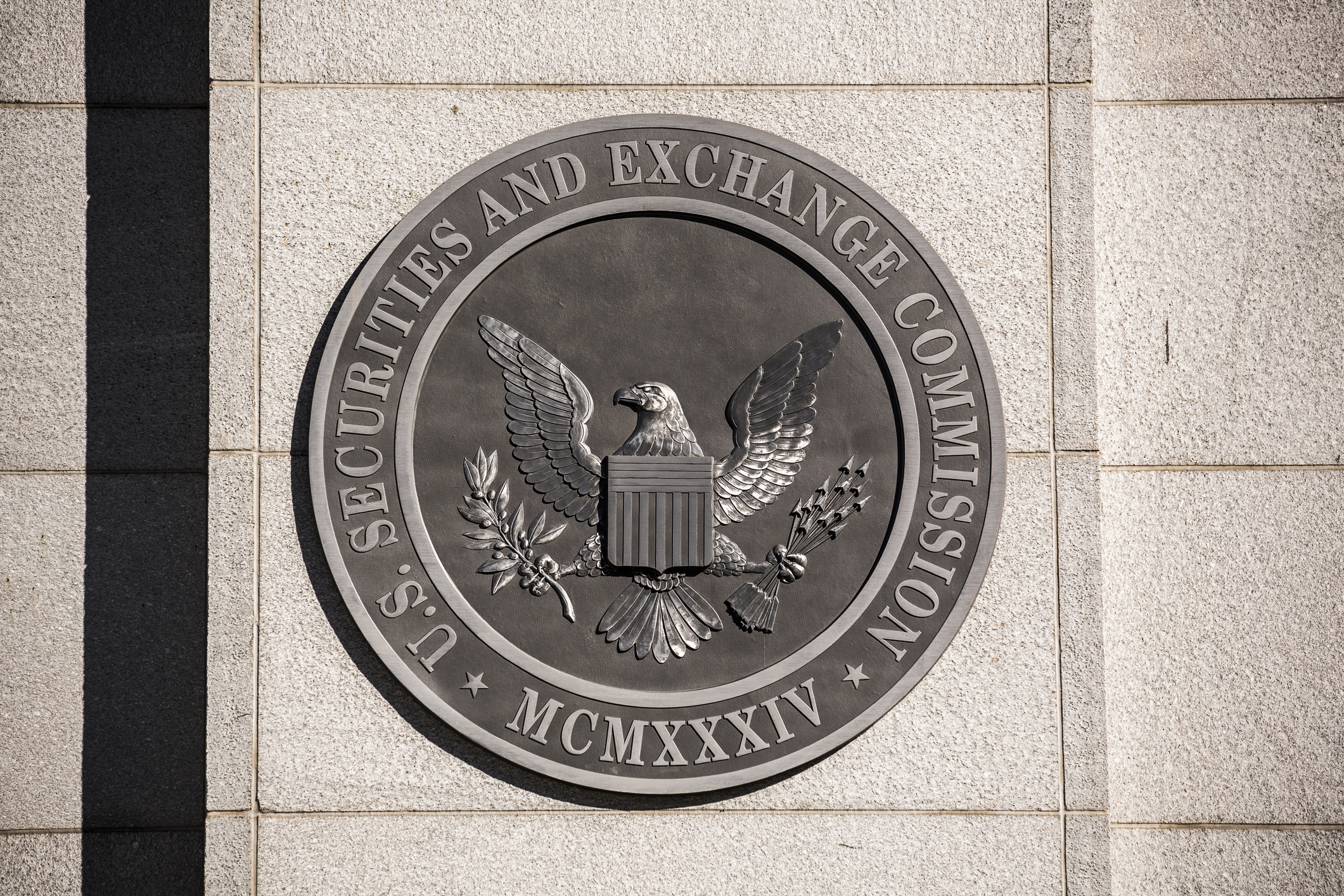
The SEC is always working to ensure financial corporations are complying with the law, and few areas seem to draw as much attention – from the public and from regulators – as insider trading. Despite long-held guidelines around insider trading, hardly a month goes by without headlines around the country declaring another insider trading scandal.
In fact, in 2024 alone, the SEC reporting 35 cases of insider trading, up from 32 in 2023.
Without clear protections in place, financial advisory firms are at risk of being held liable in insider trading cases – even if it was done without their knowledge. As a result, we encourage you to study up on the subject and determine the insider trading policy best practices fit for your firm.
What Qualifies as Insider Trading?
Unfortunately, even financial professionals can sometimes be uncertain of what qualifies as insider trading, so let’s begin with a definition. The SEC’s own Investor.gov defines insider trading as “buying or selling a security, in breach of a fiduciary duty or other relationship of trust and confidence, on the basis of material, nonpublic information about the security.”
In other words, if an adviser is privy to information that the general public isn’t and then buys or sells stock accordingly, that’s insider trading.
Is it the same as insider buying?
Insider buying is when someone buys stock of the company they work for. The big difference between insider trading and insider buying is that one is illegal (trading) and the other isn’t (buying) – as long as it’s based on public information.
What Does Insider Trading Look Like in 2025?
While the definition of insider trading hasn’t changed, how it plays out in real life is constantly shifting with each new case, now including what the SEC has dubbed cases of “shadow trading.”
Insider trading occurs at two levels:
- Firm-wide – when a trader or portfolio manager uses insider info to attempt to boost performance and benefit the firm.
- Employee – when an individual trades on insider info for their own profit.
Financial firms are tasked with preventing both, which can be quite overwhelming.
Rule 10b5-1 Gets an Update
Rule 10b5-1 of the Exchange Act provides a set of guidelines for how investment advisory firms can free themselves from liability when insider trading occurs by an employee or client.
Despite a clear definition and instructions on how to comply, the SEC noticed that a lot of funds that technically complied with Rule 10b5-1 were still abnormally profitable. In December 2022, the SEC updated Rule 10b5-1, which aims to further close loopholes these corporations may be exploiting. The new amendments to Rule 10b5-1 include additional disclosures, cooling off periods and additional restrictions.
Shadow Trading is Held Up in Court
Following an eight-day jury trial, the SEC obtained a verdict in its favor alleging an insider trading violation against a former employee of an oncology-focused biopharmaceuticals firm. The SEC alleged that the employee engaged in “shadow trading,” using the information about the acquisition of his employer to purchase call options on another biopharmaceuticals company. The SEC argued in its complaint that this was comparable to doing the same with call options on his own employer, based on an assumption that the acquisition of his employer at a healthy premium would probably boost the share price of other company.
The success of this new theory suggests that insider trading violations may now not only cover individuals who trade their own company’s securities on nonpublic information, but also those who trade a company’s securities on nonpublic information about another company in the same industry. Note that SEC enforcement leadership disagrees that this litigation represents a novel case theory.
Insider Trading Policy Best Practices in 2025
As with many areas of compliance, one of the best ways to protect your firm from insider trading is to make sure everyone knows the rules and then employ effective monitoring to ensure the rules are being followed.
1. Make sure you have clear policies and procedures in place
Your firm’s policies and procedures are ground zero in the effort to protect your company from the threat of insider trading. Review Rule 10b5-1 with your team and develop guidelines that make the boundaries clear so your employees know exactly what’s allowed and what isn’t.
Effective insider trading policies and procedures should:
- Provide a definition of material, nonpublic information
- Describe the theories of insider trading liability
- Discuss the types of inside information supervised persons may be exposed to
- Limit access to potential sources of inside information
- Establish guidelines for appropriate behavior if an employee does come into possession of inside information
- Provide for periodic training
- Provide for surveillance of firm and employee trading as well as employee communications
- Provides for a “restricted list” and prevents trading on securities on this “restricted list”
Insider trading procedures should limit access to potential sources of inside information.
- Establish informational barriers between departments insufficient barriers can be prosecuted even in absence of insider trading
Insider trading procedures should establish guidelines if an employee comes into possession of inside information.
- Notify Legal/Compliance
- Do not trade or cause the firm to trade in the security
- Do not disclose the information outside the firm
- Do not disclose the information inside the firm, except for compliance and/or the appropriate supervisor
2. Get the right tech in place
The right technology can do wonders for providing an affirmative defense against liability if and when insider trading occurs. By ensuring that your people have access to reporting tools and know how to use them, you can prove that your firm has done its due diligence in complying with the law.
The trade monitoring solution you choose should enable your firm to monitor firm-level and individual trades, conduct regression testing and spot trends before it’s too late. On the individual side, you want to be able to incorporate and consider trading activity in the context of political contributions, gifts, attestation responses and more. Your compliance technology could also play a key role in helping you meet books and records requirements and prepare for regulatory exams.
3. Build a culture of compliance
Building a culture of compliance at your firm is a top-down effort. If you’re not promoting compliance at events and highlighting your policies and procedures frequently, then you cannot expect team members across your company to give compliance much thought.
We recommend taking a “trust but verify” mentality across the board – no matter how high up an individual is. When lower-level employees see higher-level employees being held to the same standards, they will be far less likely to feel that they can get away with bending the rules.
To build the right culture, compliance needs to be front of mind in every area of your practice – from hiring to performance reviews and beyond.
How to Detect Insider Trading
In order to mitigate insider trading risk, firms must protect and detect. Protective measures can include setting the correct policies and procedures, educating employees on applicable regulations and requirements set forth by the firm, and establishing stringent controls and information barriers.
Next, come the detection measures. Firms should uphold a “trust but verify” mentality, which can include conducting regular audits of any controls, reviewing transactions and trades, and more.
So, what is the most common detection method used by firms?
According to Comply’s proprietary data, over 60% of firms review employees’ emails in order to detect potential violations.
Other commonly chosen responses included:
- A review of firm’s investments in light of employees’ personal conflicts
- Testing for trading patterns in client or personal accounts around new stories
- A review of circumstances surrounding unusually profitable trades in client or personal accounts
Additionally, almost 20% of firms noted that they review a certain percentage of the most profitable trades in client accounts over a certain period of time to ensure that such trades are supported by the firm’s standard investment due diligence processes.
Is your firm protected from insider trading?
There is no silver bullet that can entirely eliminate the risk of insider trading, no matter how big or small. But you can control your policies, tools and culture in a way that diminishes it as a possibility.
Ready to see how Comply has helped your peers navigate and mitigate insider trading risk? Let’s talk.